Born in 2000 in the Malistan district of Ghazni province, Afghanistan, Rubaba Mohammadi entered the world with a congenital disability that left her unable to use her hands and feet. Despite her physical limitations, she would go on to become one of Afghanistan’s most inspiring and celebrated artists — widely known today as “the Mother of Painting in Afghanistan.”
In 2003, Rubaba’s family relocated to Kabul, seeking better access to medical care. Her mother, Masuma Rahimi, tirelessly carried her daughter on her shoulders each day to the Red Cross Hospital for treatment. After five years of effort and no improvement, doctors gradually lost hope. At the age of eight, Rubaba became homebound, unable to attend school or explore the outside world.
While her younger sisters went to school, Rubaba remained alone at home, drawn to their schoolbooks and art supplies. One day, filled with curiosity and determination, she decided to try drawing herself. After failing to use her toes, she held a pencil between her teeth and drew her very first straight line. That moment marked the beginning of an extraordinary journey. With the help of her sisters, Rubaba taught herself to read and write, and began teaching herself to draw, discovering a powerful voice through her artwork.
Rubaba’s life took a transformative turn in 2014, when a television network featured her story after discovering her artwork on Facebook. From 2014 to 2024, Rubaba created hundreds of paintings and held numerous exhibitions, nationally and internationally. Her work has been showcased at embassies in Kabul, Kabul University, the Presidential Palace, and in cities such as Herat, Bamyan, Mersin, and Abu Dhabi. She has received multiple awards, medals, and honours.
In 2019, Rubaba established the Rubaba Art and Cultural Center, a space dedicated to teaching art to others, particularly those with disabilities. Tragically, later that year, the centre was destroyed in a grenade attack by unknown assailants. Forced to flee Afghanistan for her safety, Rubaba spent two difficult years in exile before returning home.
In early 2024, Rubaba immigrated to Canada, where she once again picked up her brushes and began creating art. Today, she continues her mission — not only as a painter, but as a symbol of courage, perseverance, and the transformative power of creativity.


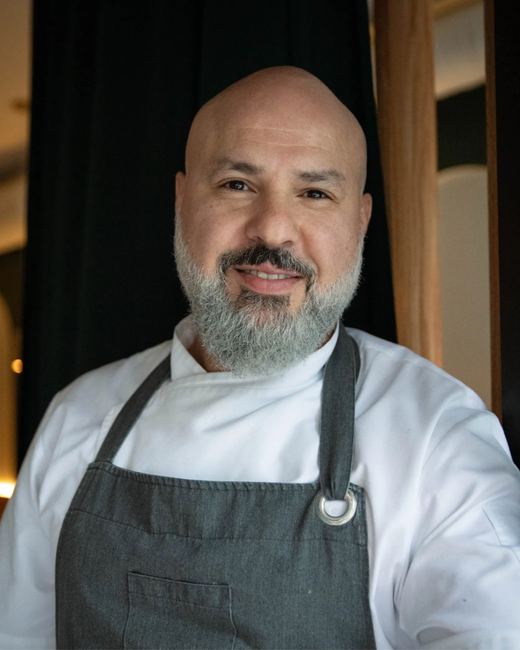 Chef Moeen AbuzaidCHEF, ARBEQUINA · TORONTO
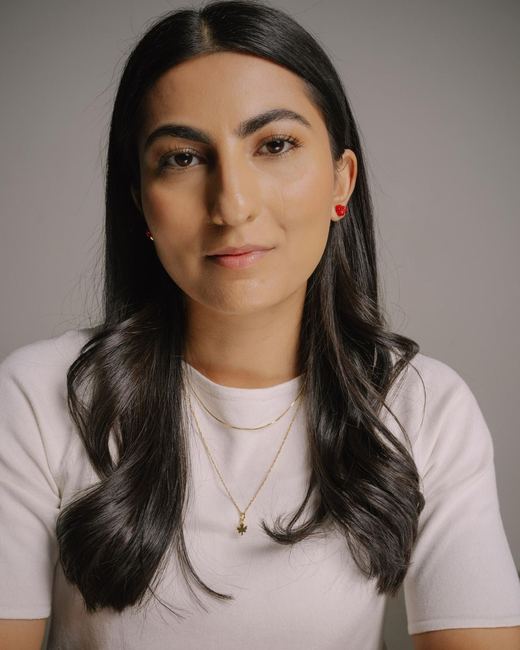 Farkhunda MuhtajCAPTAIN, AFGHANISTAN WOMEN'S NATIONAL TEAM · SOCIAL ACTIVIST
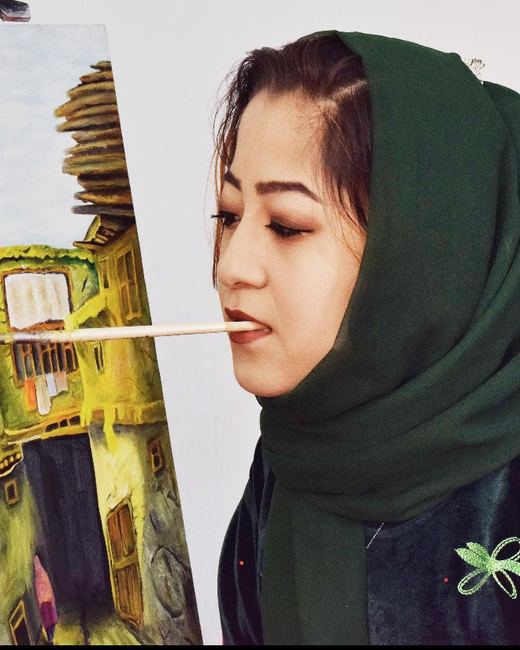 Rubaba MohammadiPAINTER · FOUNDER, RUBABA ART AND CULTURAL CENTER
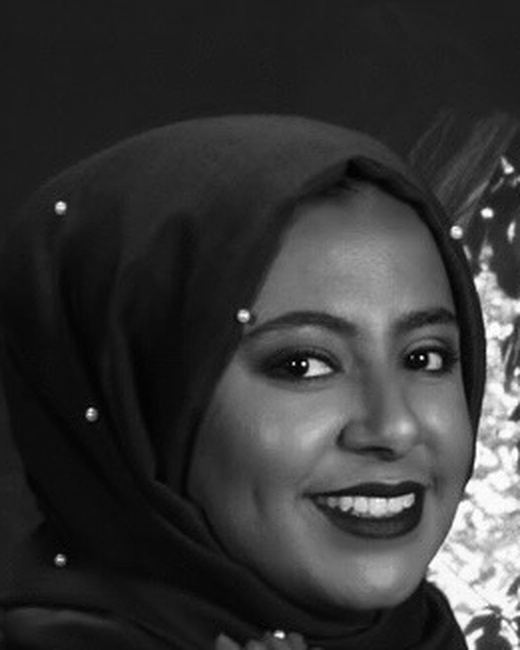 Sabreen El AwadFILMMAKER, POET AND CULTURAL ORGANIZER · FOUNDER, FRAMES OF SUDAN
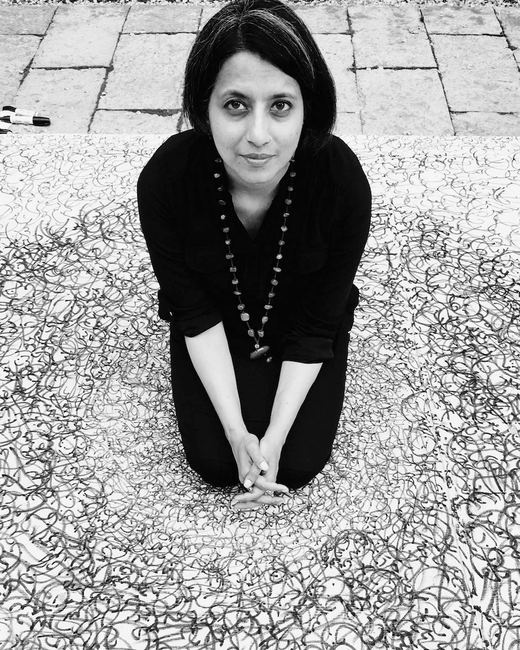 Tazeen QayyumMULTIDISCIPLINARY ARTIST · CO-FOUNDER, ART ADDRESS